
How to Choose a Water Heater: A Buying Guide
Replacing a water heater means dealing with technical specs, sizing charts, and installation requirements.
The wrong choice leads to cold showers or wasted money heating water you don't need.
Here's what matters when you're shopping for a new unit.
Considerations Before Purchasing a Water Heater
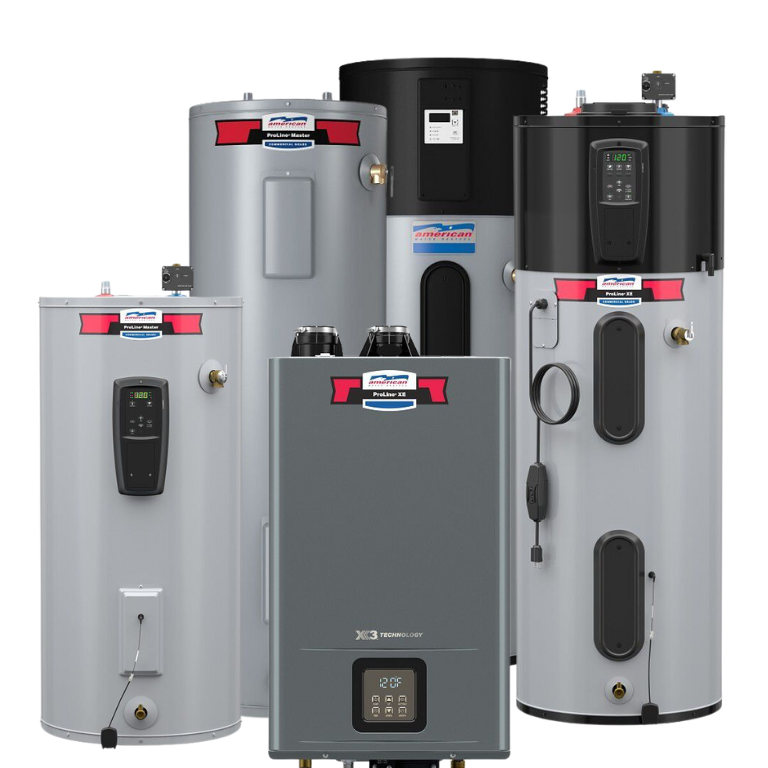
Start by looking at what you already have. Check your current water heater's fuel source, size, and how well it's been meeting your needs. Running out of hot water regularly? You need more capacity. Bills too high? Look for better efficiency.
Figure out what fuel your home uses—electric, natural gas, or propane. Measure the space available for installation. Count how many people use hot water, and consider whether you run showers, the dishwasher, and laundry simultaneously. Set a realistic budget that accounts for the purchase price, installation, and yearly operating costs.

What Types of Fuel Do Water Heaters Use?
Your existing setup usually determines what you can install. Switching fuel types means expensive modifications.

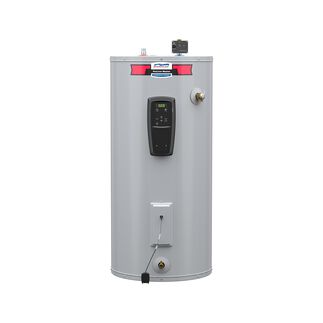
- Needs 240-volt connection.
- Install cost dependent upon having a 240v outlet
- Slower to heat water.
- Higher operating cost in many parts of the country.
- Requires backup power during utility outage.

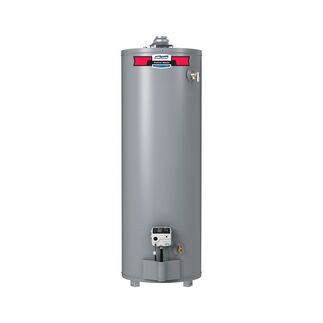
- Requires a gas line and exhaust venting
- Install cost dependent upon available gas line and venting.
- Heats water faster
- Lower operating cost in many parts of the country.
- Works during utlity outage if power vent is not required.

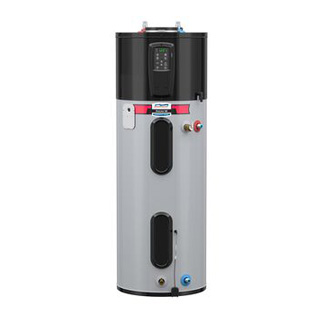
- Requires ample space to install.
- Higher upfront cost.
- Most efficient with lowest operating cost.
- May qualify for incentives.
- Better for the environment.
Types of Water Heaters
There are numerous water heater types on the market, each fulfilling a particular niche or need. However, these types aren’t created equally. When you’re wondering how to choose the best unit for your family size and available utilities, look to this water heater buying guide for dependable advice or use it as a jumping-off point when asking a consultant for help purchasing a unit.
Storage Tank Water Heaters
Storage tanks are the standard type most people know. Water sits in an insulated tank and stays hot until you use it. They come in electric, gas, and propane versions.
Choose a tank if you want hot water ready immediately, have space for installation, need to supply multiple fixtures at once, experience periodic power outages lasting more than a few hours, or prefer familiar technology with lower upfront costs. Tanks work for most homes because they're reliable and affordable to maintain.
Tankless, On-Demand Water Heaters
Tankless models have no storage. Water heats as it passes through the unit's heat exchanger, which means they only work when you turn on a fixture, like a sink faucet or shower.
Choose tankless if you want lower energy bills, space is tight, you need back-to-back showers without waiting, you don't experience prolonged power outages, or you don't mind higher upfront costs. Just know that tankless units can't supply unlimited hot water to multiple locations at once. They have flow limits, typically 2-8 gallons per minute. If you regularly run showers, dishwasher, and washing machine simultaneously, a single tankless unit might not keep up.
Natural Gas Tankless Water Heaters
If your home currently uses natural gas, then replacing your old gas tank water heater with a natural gas tankless water heater might be your best choice for comfort and value. These units are about the size of a small suitcase, and you can install them inside or outside your home. Long-lasting and super efficient. Keep in mind that a plumbing professional should always complete the installation of natural gas tankless water heaters.
Propane Tankless Water Heaters
Like the natural gas models, liquid propane tankless water heaters can take advantage of existing gas lines for a compact hot-water solution. Propane gas provides a bigger boost in British Thermal Units (BTUs) per dollar than electricity can, so propane tankless water heaters can double the output of hot water when compared to an electric model. Most models can support two to three appliances simultaneously, so your dishwasher, washing machine and shower can all have enough hot water to function. These units typically require professional installation due to safety issues.
Tip: Check out our Tankless Water Heater Buying Guide for tips on how to find the right tankless hot water heater.
Water Heaters for Mobile Homes
Mobile homes need HUD-approved units designed for these applications. Gas models require the right fuel type (propane or natural gas) and access configuration (inside or outside). Measure carefully because mobile home doors are smaller than standard residential doors. Again, we recommend consulting a plumbing professional for installation.
Commercial Water Heaters
Restaurants, hotels, and laundromats need commercial units with bigger tanks (250+ gallons), heavy-duty parts, and the ability to handle constant use. Most run on gas for faster recovery. These aren't for homes—they're built for business demands.
Sizing Your Water Heater

Too small means running out of hot water. Too big wastes energy and money. For tank heaters, start with these basic guidelines:
- 1-2 people need 30-40 gallons
- 2-3 people need 40-50 gallons
- 3-4 people need 50-60 gallons
- 5+ people need 60-80 gallons
But your actual needs depend on habits. Two people who both take long morning showers need more capacity than four people who shower at different times. Think about when your household uses the most hot water—that's your peak hour.
First Hour Rating
This number matters more than tank size. First hour rating (FHR) shows how much hot water you get during peak use. A 50-gallon tank might deliver 70 gallons in the first hour because it keeps heating while you use water. Find the FHR on the EnergyGuide label and match it to your busiest hour..
Sizing Tankless
Tankless sizing works differently. You need to add up the flow rates of everything you'll run at once. A shower uses about 2.5 gallons per minute, a dishwasher uses 1.5 gallons per minute—that's 4 gallons per minute total needed.
Cold climates need bigger units because incoming water is colder. Heating 40°F water to 120°F takes more energy than heating 70°F water to 120°F. A unit that works fine in Florida might struggle in Minnesota.
Water Heaters With Advanced Technology and Features
Dry-Fire Protection
Dry-fire protection on some electric models stops heating elements from burning out if there's no water. It's a nice safety feature that prevents damage.
Intuitive Technology
Water heaters with intuitive technology adjust temperature and other operating features according to your specific needs and use patterns. Benefits for choosing a heater equipped with this kind of responsive technology include better energy efficiency, increased durability and smarter performance.
Wi-Fi Water Heater Capabilities
A Wi-Fi module is now available in some electric water heaters that lets you control your water temperature remotely. You can customize your schedule to ensure hot water availability in your water heater tank only when you need it, saving you money on your energy bill. These units also send an alert if your tank is low on hot water.
ENERGY STAR® Certification and High-Efficiency Ratings
ENERGY STAR certified models meet EPA efficiency standards, qualify for rebates, and save on utility bills. Look for the Uniform Energy Factor (UEF) rating—higher numbers mean better efficiency. Heat pumps can hit 3.0 or higher, while standard electric typically runs 0.89-0.95.
Some electric models now connect to your phone through Wi-Fi. You can adjust the temperature, set heating schedules, and get alerts about problems or low hot water. Gas models with electronic valves offer better temperature control than old mechanical valves, plus LED indicators showing if the pilot's lit and error codes for troubleshooting.
A Premium Electronic Gas Valve
Because certain gas water heaters now feature an electronic gas valve with fewer moving parts than a conventional mechanical gas valve, these water heaters deliver more reliable, accurate performance for better temperature control and faster hot-water recovery.
An LED indicator confirms the pilot is lit and provides diagnostic feedback on operating performance. This innovative valve is self-powered by a thermopile, which is a device that converts thermal energy into electrical energy.
Because an external power source isn’t required, installation is hassle-free. These water heaters may give you troubleshooting codes when a problem is detected, making troubleshooting and repair easier.
Maintenance
Regular care extends your water heater's life and maintains efficiency. Once a year, look for loose parts, leaks, or damage. Flush the tank to remove sediment buildup at the bottom. Test the pressure relief valve to make sure it works. Check the anode rod and replace it if it's corroded.
Hard water areas need flushing twice a year because sediment builds up faster. If you're not comfortable doing this yourself, hire a professional. Catching small problems early prevents expensive repairs or premature replacement.
Water Heater Accessories
There are many hot water tank accessories available to improve the safety and efficiency of your water heater.
Expansion Tanks
Expansion tanks hold an additional volume of water that the heater produces when heating cold water in the main tank. These accessories connect to your standard water heater tank through your plumbing.
Water Heater Timers
Cut down on energy use and save money by running the water heater only when you need it. You can wire a hot water heater timer into the unit’s electrical supply and set it so the water heater only draws electricity at specified times.
Water Heater Pans
These pans sit under the heater and collect water from leaks or overflows caused by excess pressure in the tank. The pan has an opening in the side for a drain hose to carry away any overflow water.
Water Heater Insulation Blankets
These blankets are made to fit over the unit and strengthen the insulating ability of the water heater. Insulating blankets are best for heaters that reside in garages or other unheated spaces.
Water Leak Detectors and Alarms
Water leak detectors sit either on the floor or in the pan beside the water heater, sensing the liquid should the unit leak or overflow and emitting an audible alarm to alert the homeowner that there’s a problem. Some of these alarms are compatible with Wi-Fi and able to send alerts to a smartphone.
Water Heater Stands
Water heater stands raise gas units off the ground and reduce the risk of fire in the event that flammable liquid spills nearby. If you’re replacing an old water heater and adding a stand to your new one, this addition affects your measurements, plumbing and venting.
Unless you have advanced plumbing skills, you should hire a professional to install it. Some codes require water heaters to be on stands in garage applications.
Still Have Questions?
Start with the basic guidelines based on household size, but calculate your first hour rating needs for better accuracy. Add up the hot water you use during your busiest hour—morning showers, dishwasher, whatever runs at once. If that totals 65 gallons, look for a unit with a 70+ gallon first hour rating.
Depends on what's already installed. Gas costs less to run but more upfront. Electric is cheaper to buy and simpler to install. If you don't have gas lines, running them is expensive enough that electric makes more sense. Heat pump electric offers the best efficiency if you have adequate space for installation.
Tank models typically last 10-15 years. Tankless units can go 20+ years. Heat pumps generally last 10-15 years. Actual lifespan depends on your water quality and how well you maintain the unit. Annual flushing and timely anode rod replacement help units reach their full potential.

Water Heater Selector Quiz

Rebates & Tax Credits
Rebate and incentive programs provide savings to consumers for the purchase of water heaters that meet certain energy efficiency standards.

Where to Buy
Request a quote from a local pro. American water heaters are professionally installed by local independent contractors.